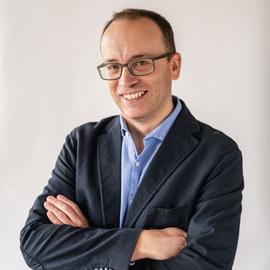
I lead research on how virtual reality and emerging technologies can improve health, care and education.
My work examines how VR can support older people and people receiving palliative care, as well as autistic people and people with intellectual disabilities. I also investigate how AI and VR can create effective training environments for healthcare staff, educators and students, where they can develop skills in controlled settings.
A central question in my work is when these technologies genuinely add value. New technology is not automatically better technology. My research therefore examines not only what VR and AI can do, but also when they are useful, safe and preferable to existing approaches.
I also have longstanding interests in vision, spatial attention and neuropsychology. This includes research on how visual impairment affects everyday functioning and quality of life, as well as a particular interest in spatial neglect after stroke and how well we capture its impact outside standard neuropsychological assessment.
I believe that the most impactful research happens when we cross disciplinary boundaries and work directly with the communities we aim to serve.
- Virtual Reality
- AI
- Eye tracking